
The global karting sector is undergoing major upgrades in electrification, standardization and supply chain layout from May to July 2026. Driven by updated FIA racing rules and surging demand for electric rental & competition karts, mainstream European kart manufacturers are shifting their sourcing strategy. While retaining independent R&D on high-value core components such as engines, frames and digital telemetry systems, they are opening large-scale procurement channels for general precision metal hardware, bringing massive export opportunities to professional kart hardware manufacturers in Asia[1].
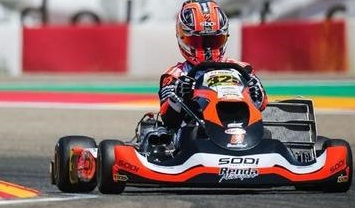
As the world’s dominant kart industrial group, Italy-based OTK Kart Group, parent brand of Tony Kart, released its mid-year global procurement plan in June 2026, setting global technical standards for FIA-certified racing karts[2]. According to the official procurement bulletin issued in early June, OTK focuses its in-house production on frame design and self-developed Vortex & Rok racing engines. Standard metal hardware including sprockets, magnesium wheel hubs, axle assemblies and brake disc carriers are now sourced globally from qualified third-party factories[2]. The mass launch of its e-Viper electric kart series in May further boosted orders for lightweight customized metal hardware adapted to electric power systems[2].
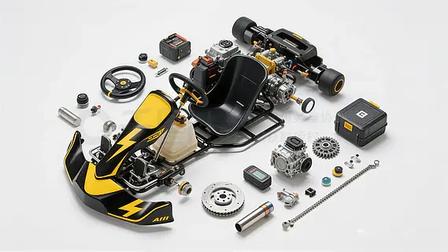
Italian specialist performance component maker BRM Racing is a core supplier for professional kart teams across Europe, Australia and North America[3]. The brand issued its updated outsourcing standard document in late May 2026. All its chassis and brake systems fit mainstream Rotax and X30 engines. In Q3 preparation layout, BRM rolled out updated unified tolerance standards for outsourcing hardware components. The brand increases external purchasing volume of wear-resistant machined metal parts, and accepts OEM cooperation for standardized kart structural hardware to cut internal production costs while maintaining racing-grade performance[3].
Oakc.de, Germany’s leading pan-European kart parts distribution platform, released its half-year sales summary in July 2026, covering data from May to June[4]. The report shows a sharp year-on-year rise in aftermarket replacement hardware. The platform continuously imports cost-effective standard kart metal components from Asian manufacturers for track maintenance and kart modification, with all imported hardware required to pass EU CE compliance tests[4]. Meanwhile, widespread adoption of Alfano’s kart telemetry equipment, whose new Pro X model was unveiled in mid-June, unifies the mounting interface standards on all kart frames, lowering custom development thresholds for universal metal hardware and supporting mass bulk production[5].
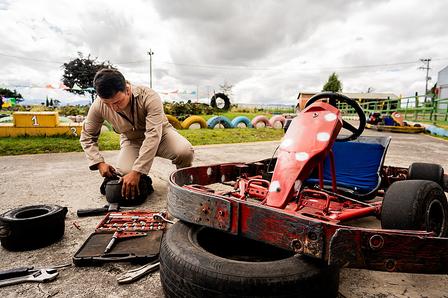
Industry analysis from Fortune Business Insights published in July 2026 forecasts steady global kart market growth through 2034[1]. A clear industrial division has taken shape: European brands dominate core technology R&D, while Asian manufacturers undertake mass production of general kart metal hardware[6]. Electrified kart models will further drive upgrades of lightweight, high-strength metal structural parts in the next five years.
- [1] Fortune Business Insights: Go-Kart Market Size & Share Report, July 2026
- [2] Tony Kart Group Mid-Year Global Procurement Announcement, June 10, 2026
- [3] BRM Racing Official Hardware Outsourcing Standard Notice, May 26, 2026
- [4] IndexBox European Kart Parts Half-Year Industry Report, July 2026
- [5] KartXpress Exclusive Interview for New Alfano Pro X, June 15, 2026
- [6] 2026 Global Go-Kart Market Research Report, June 2026
Post time: Aug-06-2026